Rob's Aquatics Fish Shop
APISTOGRAMMA CACATUOIDES
APISTOGRAMMA CACATUOIDES
Couldn't load pickup availability
APISTOGRAMMA CACATUOIDES: A Vibrant Freshwater Aquarium Fish
The Apistogramma cacatuoides, commonly known as the Cockatoo Dwarf Cichlid, is a popular choice among freshwater aquarium enthusiasts for its stunning colors and engaging behavior. These small but striking fish bring life and vibrancy to community tanks, making them a favorite for both novice and experienced aquarists.
Size and Appearance
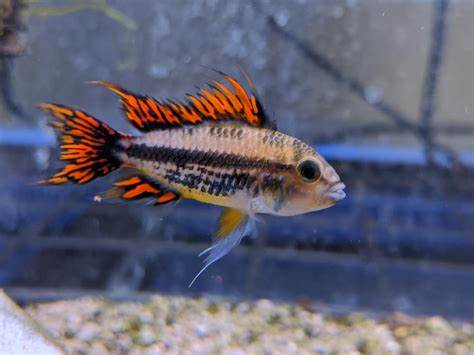
Adult Apistogramma cacatuoides typically reach a size of 3 to 4 inches (7.5 to 10 cm), with males notably larger and more colorful than females. Males display elongated dorsal fins reminiscent of a cockatoo's crest, giving the species its common name. Their bright yellow and blue hues, combined with red accents, make them an eye-catching addition to any aquarium.
Temperament and Behavior
This species is known for its relatively peaceful temperament compared to other cichlids. While they can be territorial, especially males during breeding, they generally coexist well with other peaceful fish. Understanding their social behavior is key to maintaining harmony in a community tank.
Tank Size and Setup
To accommodate the Apistogramma cacatuoides comfortably, a minimum tank size of 20 gallons is recommended. Providing plenty of hiding places such as caves, driftwood, and dense plants helps mimic their natural habitat and reduces stress. They thrive in well-maintained tanks with subdued lighting and soft substrates.
Water Parameters
Maintaining optimal water conditions is crucial for the health of Apistogramma cacatuoides. They prefer slightly acidic to neutral water with a pH between 6.0 and 7.0. Temperature should be stable, ideally between 72°F and 82°F (22°C to 28°C). Soft to moderately hard water supports their well-being, and regular water changes help maintain water quality.
Diet and Feeding
In the wild, Apistogramma cacatuoides primarily feed on small invertebrates. In captivity, they adapt well to a varied diet including high-quality flakes, pellets, frozen or live foods such as brine shrimp, daphnia, and bloodworms. Providing a balanced diet ensures vibrant coloration and overall vitality.
Compatibility with Other Fish
When considering tank mates, select peaceful species that occupy different levels of the aquarium to avoid territorial disputes. Suitable companions include tetras, rasboras, and small catfish. Avoid housing them with aggressive or much larger fish to prevent stress and injury.
Unique Selling Points
- Striking coloration and distinctive fin shapes
- Manageable size suitable for community tanks
- Relatively peaceful temperament among dwarf cichlids
- Engaging behavior, especially during breeding
- Adaptability to a range of water conditions
Many buyers wonder how to care for Apistogramma cacatuoides or what makes them special compared to other dwarf cichlids. Their ease of care, combined with their beautiful appearance and interesting social dynamics, makes them an excellent choice for aquarium hobbyists looking to add diversity and color to their freshwater setups.
Share